
As a guitarist and teacher with years of experience both performing and guiding students, I’ve seen firsthand how music—and specifically the guitar—can help navigate the murky waters of grief. When reflecting on how playing guitar can help you process grief, it is clear that grief isn’t something that can be fixed; it’s a companion we must learn to walk alongside. Yet in my own life and in my classroom, the act of picking up a guitar has proven time and again to offer real moments of comfort, release, and even healing.
What follows isn’t just theory, but a collection of practical observations and stories from the perspective of a guitarist who has sat on both sides of the teaching chair—someone who knows how a strum can lighten a burden and how teaching music can invite genuine connection during difficult times. I’ll also introduce how KapSoul, a thoughtful innovation for acoustic players, can add new depth to this healing journey.
Letting Emotion Flow Through Strings
One of the first conversations I have with grieving students is about the importance of allowing themselves to feel. Guitar playing is, at its heart, expressive. Whether it’s a gently fingerpicked ballad or a furious riff on the low E string, the guitar meets you where you are emotionally.
I recall a lesson with a student named Emma, who lost her grandfather. She struggled to talk about her pain, but she chose “Tears in Heaven” by Eric Clapton to learn. Each class would start with simple chord progressions—just G, D, Em, and C at first. Emma barely spoke, but as her fingers moved, you could sense the emotion being poured into every measure. Over weeks, her confidence grew, and she started improvising her own melodies, channeling sadness, longing, and eventually, sweet remembrance through music.
As musicians, we have the privilege of using our instrument to say what words often cannot. I encourage my students to experiment: play a scale slowly when feeling contemplative, or strum with abandon on a tough day. The guitar is forgiving; it absorbs every emotion you channel, and in return, it offers release.
Mindfulness: Focusing Amid the Storm
Grief can scatter your thoughts and leave you feeling unmoored. I’ve found, both in my own practice and with students, that focused guitar exercises can gently guide the mind out of rumination and into the present.
Simple routines—running chromatic scales or practicing fingerstyle patterns—require enough concentration to keep intrusive thoughts at bay, but they’re also meditative in their repetition. I often assign grieving students very intentional, slow practice exercises. For instance, playing an arpeggio in time with your breathing can center you in a way few other activities can.
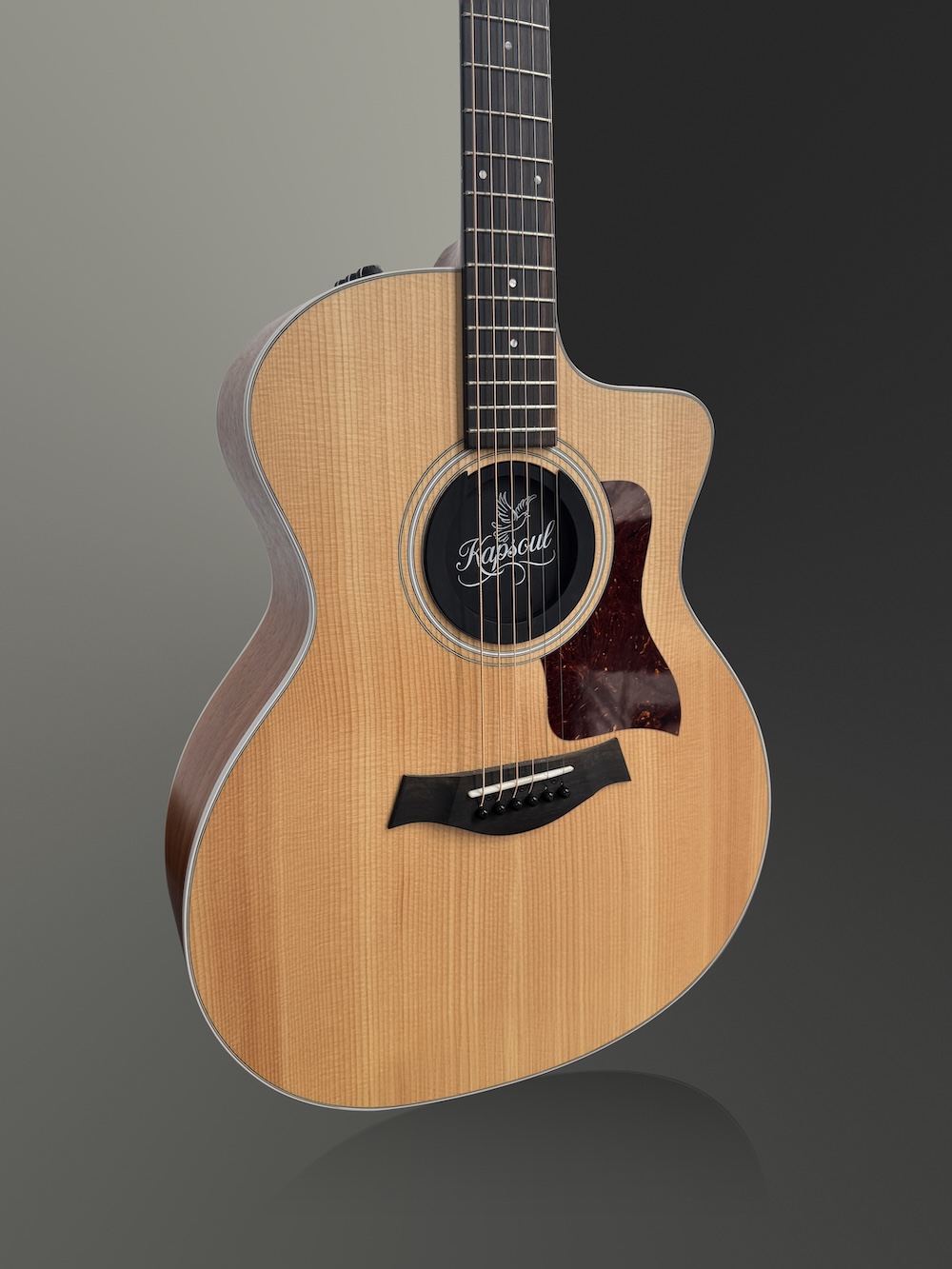
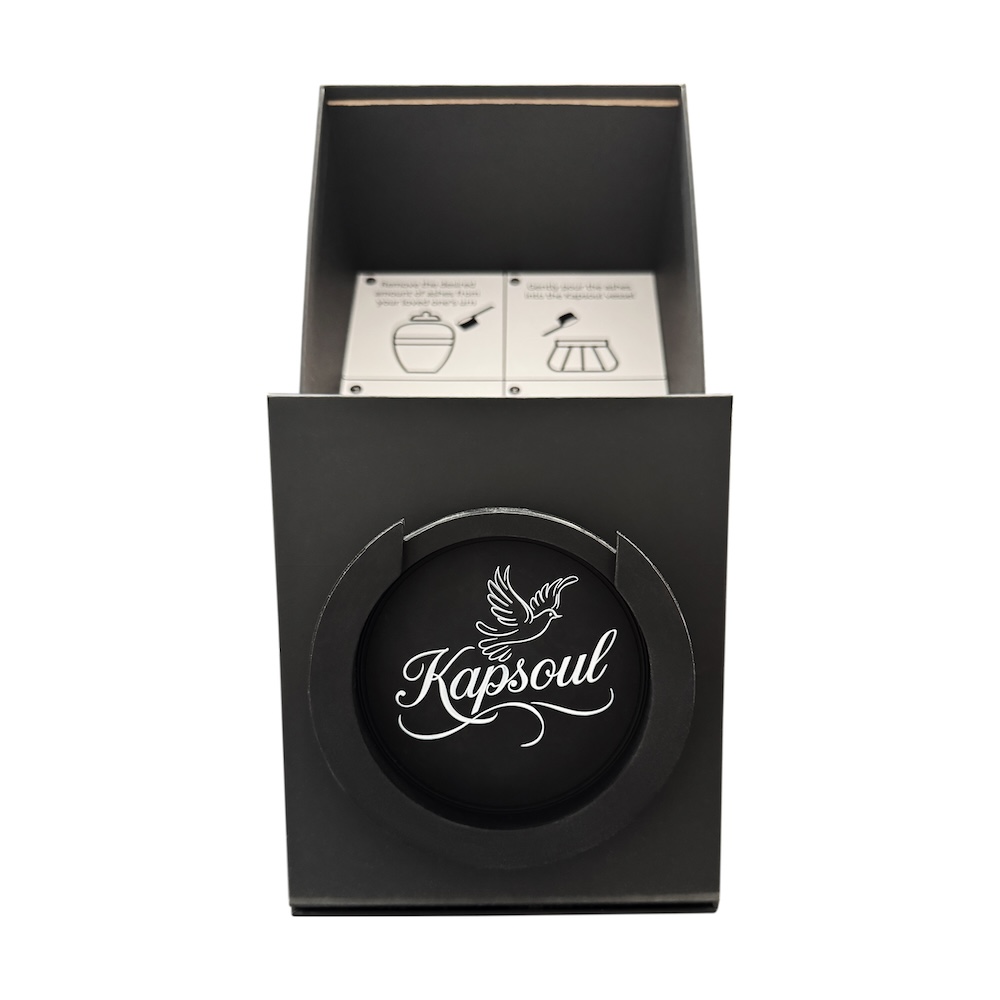
This is where the KapSoul can deepen the experience. The first time I placed my late father’s ashes into the KapSoul and fitted it to my favorite acoustic, the simple act of strumming took on another dimension. Every vibration felt like a bridge to memory and meaning. It transformed my guitar into a unique sanctuary, blending music, mindfulness, and memorial in every note.
Honoring and Celebrating Memories
When I teach, I ask students to bring songs that meant something to the person they lost, or to themselves. There’s profound healing in learning a favorite tune of a loved one as a tribute or composing your own song in their honor. I once worked with a student, Dan, whose dad used to sing folk songs. Over several lessons, Dan learned “Wild World” by Cat Stevens and eventually worked up the courage to sing along. The process let him grieve, reflect, and celebrate at the same time.
If you’re using a KapSoul, the bond becomes even more powerful. Placing a small amount of a loved one’s ashes in the vessel and playing their favorite tune creates a musical memorial ritual. There’s comfort in feeling their physical presence within the instrument—knowing part of them resonates in every note, held firmly by the KapSoul’s secure PPH lining. It’s not just for private practice, either: students have told me about commemorative performances—a gentle waltz at home, or even an open mic night, where the KapSoul made the moment feel intimate and sacred.
Teaching Others: Guitar as Community and Connection
Grief is isolating, but music draws people together. Teaching group classes or facilitating community jam sessions, I’ve witnessed students lean on each other through music. Sharing a song, or even just quietly strumming together, reinforces the fact that you aren’t alone in your pain.
The story of your guitar becomes part of the group’s fabric—and students are invariably curious about modifications like the KapSoul. When I explain its purpose, it often sparks valuable conversations about remembrance, legacy, and the different ways we carry those we’ve lost. Sometimes, just knowing that someone else in the circle understands turns the group from a class into a support system.
Ritual and Routine: Building New Foundations
Something I encourage for anyone grieving is to make guitar practice a gentle ritual. Allocate a set time—maybe after dinner or before bed—to simply sit with your instrument. No demands to improve, no judgments—just intention. Some days, your practice might be a single repeated chord. Others, you may find the inspiration to write or revisit a cherished piece.
With KapSoul, your ritual gains even deeper resonance. The simple weight inside the soundhole cover is a physical reminder of the person you carry with you. Its compatibility with most standard steel-string acoustics makes it an easy, reliable addition so you can focus on healing rather than fussing with your instrument.
Practical Tips for Guitarists Processing Grief
Here are some specific strategies I share with fellow guitarists and my students:
- Start with familiar pieces. The comfort of muscle memory allows you to play even when motivation is low.
- Invite improvisation. Let emotion lead your fingers—there are no wrong notes when you’re expressing how you feel.
- Document your journey. Keep a practice journal; jot down feelings that arise before, during, and after you play.
- Share if and when you’re ready. Record songs or performances, even if just on your phone. Over time, listening back can highlight growth and healing.
- Create a playlist for your loved one. Dedicate time during your practice to these tracks, interspersing them with your own originals.
And, if the physical connection feels meaningful, integrating KapSoul offers another layer of comfort. Its creative design ensures their presence remains a constant, secure part of your musical process.
Final Reflections
As a guitar player and teacher, I know that music will never erase grief—but it allows us a safe, expressive, and even joyful space in which to process it. Whether it’s in those quiet early morning practice sessions or teaching a group class where grief is a silent companion, the guitar continues to be an instrument of solace and connection for me and my students.
With innovations like KapSoul, acoustic guitarists have a gentle, tangible way to keep loved ones close during one of life’s most vulnerable times. Every lesson, every note, and every pause becomes part of a healing ritual. If you or a student are grieving, trust in your music, and let the guitar be the friend that walks with you through it all.